




MOZAMBIQUE is having a moment, and not in a good way. Fresh from the divestment of Australian miner South32 following the forced closure of aluminium smelter Mozal near Maputo, the country has another foreign mining investor on the back foot.
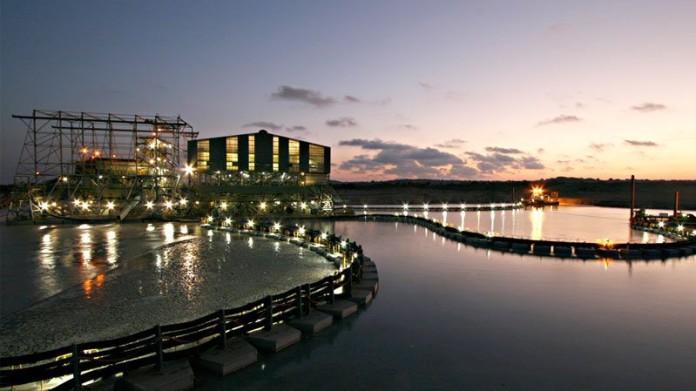
UK-listed Kenmare Resources, which recovers mineral sands from the Moma mine in northern Mozambique, is considering international arbitration following three years of fruitless negotiations regarding a new fiscal deal for the mine. Kenmare MD Tom Hickey is optimistic that continued negotiations will materialise in a new implementation agreement for Moma, but it may require a compromise by government.
In August, the tax authority in Mozambique instructed customs officials to impose a new, accelerated 2.5% royalty on Moma and to revoke its industrial free zone status, thereby removing tax benefits that could run to $25m-$40m per year.
Kenmare is entitled to a rollover of the implementation agreement, but, perhaps sensing change in the air, it offered an increase in the royalty to 2.5%, from 1% in the previous agreement. That was before Mozambique countered.
Hickey cuts a frustrated figure. “Every time I’ve met the president [Daniel Chapo], he has highlighted the importance of Moma,” he tells the FM. “But international arbitration remains an option.”
A legal battle is the last thing Kenmare needs right now. The market for mineral sands — primarily ilmenite, which is used as a paint pigment and is therefore exposed to the property market — has been subdued. What’s more, market conditions may be worsening. A prolonged conflict in the Middle East has the potential to inflict lasting damage to global GDP growth rates, especially that of China, a major market for Kenmare.
Cost inflation, including shipping, is another factor. Hickey says Kenmare ships on a freight-on-board basis, meaning the company isn’t directly exposed to the shipping cost. But it’s becoming harder to plan shipments, especially for one of Kenmare’s important customers in the Middle East, Hickey says.
The company is hoping to complete the commissioning on an upgrade this year to concentrator equipment. This will then be moved to Nataka, Moma’s largest mineral deposit, which contains enough sands to last several decades. The $341m project has weighed heavily on Kenmare’s balance sheet, however, given the deterioration of mineral sands prices.
In its end-December interim results announcement, Kenmare confirmed a previously announced $301m impairment related to price deterioration, as well as the retrenchment of 15% of Moma staff and a suspension of the dividend. Net debt during the period ballooned to $158.8m by December 31, compared with $25m at the close of the 2024 financial year.
The dividend suspension comes amid previously announced discussions with lenders over covenants and as prices for ilmenite and other minerals Kenmare produces — including zircon and rutile — show no immediate signs of improvement. “We did expect prices to continue to deteriorate this year,” says Hickey, adding, however, that there’s been good production discipline from the sector.
Analysts at UK investment bank Peel Hunt say: “With ongoing negotiations about the implementation agreement [making progress], alongside uncertainty about end-market demand, given the war in the Gulf, we view the decision to suspend the dividends in 2026 as sensible.”
Still, shares in Kenmare have been hard pressed, down a fifth this year and 41% over the past 12 months. There is scope for a rerating, says UK bank Berenberg, provided Kenmare can finally get a settlement on the agreement. “Until then, we struggle to see how shares can rerate, particularly in challenging titanium dioxide markets,” say analysts Richard Hatch and Jasper Mainwaring.
Kenmare started to pay dividends in 2019 after its balance sheet recovered from a $275m recapitalisation.
As for Mozambique, retrenchments at Moma come at an especially troubling time, as the closure of the Mozal aluminium smelter is estimated to affect 25,000 direct and indirect jobs and 3.9% of the country’s GDP.
There’s also stress at another Mozambique miner, Gemfields. Listed on the JSE, the company said last week the $70m expansion of a processing unit at the Montepuez ruby mine was more than a year behind schedule. This was partly owing to “significant logistics and work permit delays”, says Gemfields CEO Sean Gilbertson. A year earlier, the Cabo Delgado district in which Montepuez mine is located was overrun amid protests related to national elections, in which Chapo was voted in.
Completion of Montepuez’s second processing line is not now expected until the third quarter. Gemfields is hoping for a vastly improved operational performance following a $30m rights offer and the $50m sale of its Fabergé jewellery business. Despite the capital raising, the company is still in net debt of $39m (excluding $20m in receivables).
It’s a parlous situation Kenmare is also eager to escape.
This article first appeared in the Financial Mail.