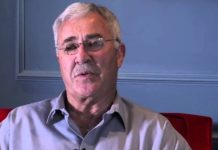

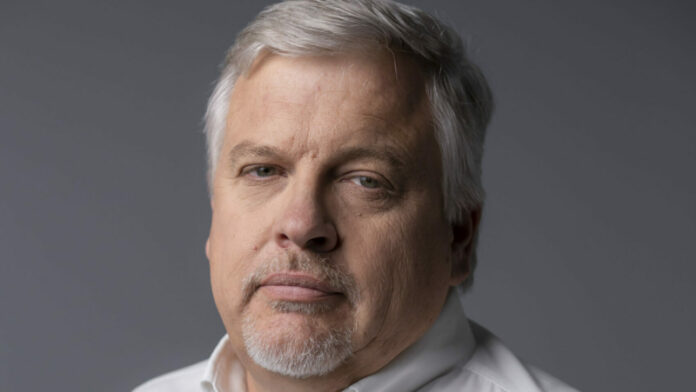
RICHARDS Bay Minerals (RBM) said on Tuesday MD Werner Duvenhage was to leave the company at the end of July.
His departure, after eight years at the firm, comes amid plans by 74% shareholder Rio Tinto to sell non-core assets of which RBM is thought to be one.
RBM said Duvenhage was to “pursue an outside opportunity”. He joined Rio Tinto in 2013 when appointed MD of Rössing Uranium in Namibia.
There was major instablity at RBM during Duvenhage’s tenure owing to community violence. It became so severe that a force majeure was placed on RBM’s customer contracts. Eventually, then Rio Tinto CEO Jakob Stausholm met with South African president Cyril Ramaphosa to bring calm to the region.
Duvenhage was credited by RBM with “steadying operations, repairing relations with host communities and rebuilding stakeholder confidence”.
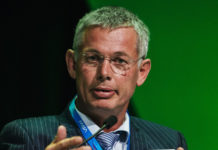
“He is justifiably held in high esteem by our employees and partners, and his leadership has helped put RBM on a more stable footing for the future,” said Rio Tinto chief commercial officer Bold Baatar. Wilhemina Ngcobo, currently COO at RBM, will assume the role of acting MD as part of the transition.
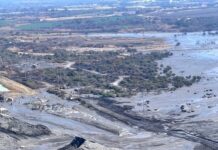
RBM operates four mines in the Zulti North lease area, a mineral separation plant and a smelting facility. The plant produces zircon and ilmenite which has a range of industrial uses in the North American, European and Asian markets. Ilmenite is used in paint pigment and ceramics.
In March, Rio Tinto approved the $473m (R8.5bn) expansion of RBM through its much-delayed Zulti South project. The project is expected to see RBM continue to produce minerals until about 2050.
Construction will start this quarter and take 30 months to be complete with commercial production expected in the fourth quarter of 2028. The first phase will support RBM’s supply of zircon and ilmenite, while the second phase will follow as part of the long-term development strategy, said Rio Tinto.
Simon Trott, CEO of Rio Tinto, is reported to regard the South African miner as “low-hanging fruit” given the current weak pricing of titanium minerals, and recent disappointing returns. Reuters reported in October that Rio Tinto was considering offering non-core assets to Chinalco for the 11% stake the Chinese own in it, worth $12.8bn.