


FAR from being a casualty of the Iran conflict, Omnia – which specialises in fertiliser and explosives to the agriculture and mining sectors – today announced a special dividend and predicted “tailwinds” in the year ahead as it passes on higher raw materials costs to its farming and mining customers.
“The first challenge (of the war) was disruption and we didn’t see any disruption in March. Since then a number of our competitors and suppliers have declared force majeure, but Omnia has not been disrupted. We’ve been able to create alternative supply and blend (stock) so we’re positioned quite strongly,” said CEO Seelan Gobalsamy at the results presentation.
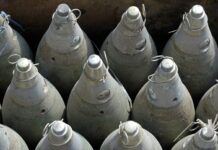
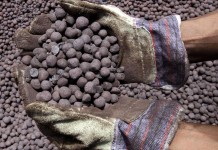
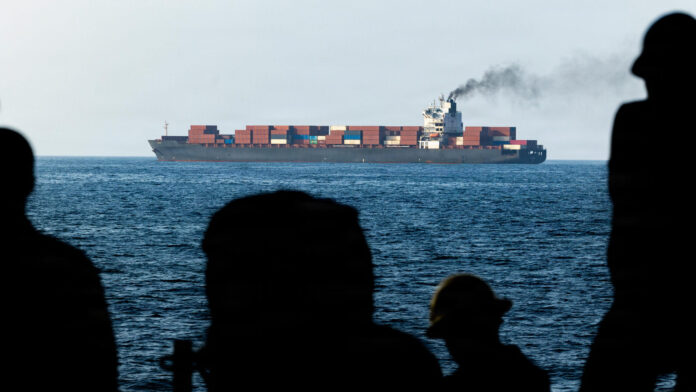
Omnia supplies fertilisers to agribusiness and explosives to the mining sector, through its subsidiary BME, by using substances such as ammonia and urea in the manufacture of nitrates. About 30% of all ammonia is shipped through the contested Strait of Hormuz. Sasol also makes about 400,000 tons of ammonia annually, but the majority of chemicals Omnia needs are imported.
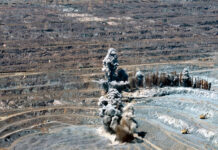
“We have to be a little more frugal and make sure we have supply and make sure the pricing makes sense. Our first obligation is to make sure there’s supply because you don’t want SADC to stop blasting; you don’t want copper extraction to stop in Zambia, you don’t want coal to stop.”
Still, the price increases – besides oil – have been extreme: commodities like ammonia jumped 70% in price at the start of the conflict and are still about 50% higher than before the war started.
As to whether there will be demand destruction thanks to the surge in prices, Gobalsamy reckons not. “I don’t think you’re going to have any mine not blast; the explosives cost is a small percentage of blasting. Would mines go out of business because of the input costs of explosives? No. I think there’s a high demand for metals in the green economy and energy to support the AI drive, so we don’t foresee any challenges there.”
Results for the year ended March – which effectively cover one month of the Iran conflict – show that Omnia parlayed a 6% rise in revenue, to R24.2bn into a 28% jump in operating profit, to R2.17bn. Headline earnings per share came in at 849c.
The special dividend of 280c a share comes in addition to a 470c per share payout and is a far cry from what Gobalsamay calls “the dark days” of 2019, when Omnia was listing under R6.8bn of debt and was forced into a R20 per share rights offer.
Most of the gains in profit took place in its agriculture division, while mining, which still accounts for half of Omnia’s profit, was flat, with a slight drop in margins thanks to a “significant” currency loss in Zambia as the Kwacha strengthened.
Volumes in its South African mining business increased “due to strong demand in the iron ore and platinum markets, contract extensions and organic growth,” said Omnia. “This was offset by the downturn in the diamond market, volatility in the coal sector and higher rainfall.”