




A MAJOR squeeze is emerging across industrial metals markets as the ongoing US-Israeli war against Iran compounds structural supply shortfalls, said the Financial Times on Thursday. This could keep prices elevated for years, the newspaper added, citing analysts.
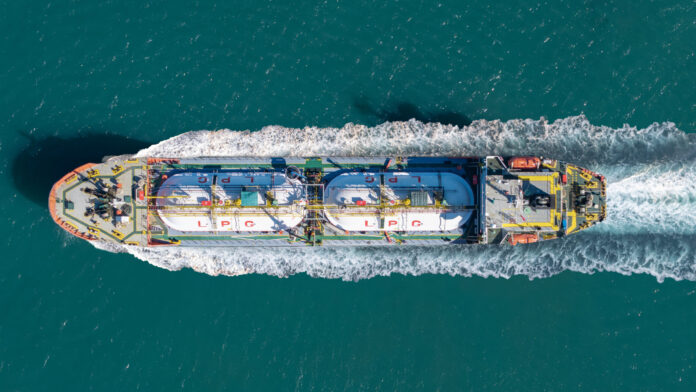
Copper is trading near its all-time closing high while aluminium has reached a four-year peak, said the FT. Both metals have benefited from surging demand linked to data centres, electric grid construction and electric vehicles, but supply conditions have deteriorated further since the conflict began four months ago and the Strait of Hormuz was effectively closed.
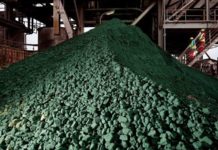
The disruption has pushed Brent crude from $72 to above $90 a barrel, raising diesel costs for mine operators and more than doubling the price of sulphur, a byproduct of oil refining used to produce sulphuric acid — a key input at copper and nickel mines.
Consultancy Wood Mackenzie estimates that sulphur supply disruptions could remove up to 125,000 tons of copper output in the Democratic Republic of Congo. Morgan Stanley analyst Amy Gower warned that a further 200,000t in Chile was at risk, partly because of China’s ban on sulphuric acid exports.
Goldman Sachs revised its copper deficit forecast for the year sharply higher, from 60,000t to 640,000t outside the US market, and lifted its year-end price target 10% to $13,735 per ton.
In aluminium, Middle Eastern producers including Alba and EGA curtailed output after Iranian strikes damaged infrastructure and disrupted alumina supply chains. The region accounts for roughly 10% of global refined aluminium production.
Craig Miller, CEO of Valterra Platinum, said metal demand would continue to grow driven by the energy transition and artificial intelligence, while supply had failed to keep pace.