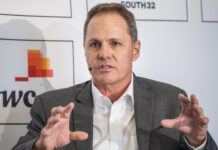




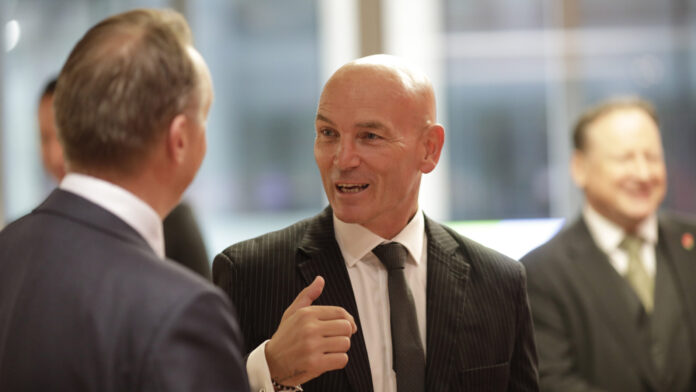
JASON Brewer, CEO of Marula Mining, is the type of mining speculator Johannesburg was built on. But it was in Perth that the UK-born financier cut his teeth, a place where junior mining is viewed more sympathetically.
Bred on the mining house model, South African investors tend to give mining entrepreneurs a wide berth: sniffy about the spivvy, you might say. In Australia, Brewer ran or was a director of more than 13 junior miners in 12 years.
“South Africans are much more focused on getting dividends and profits,” he said in a recent interview of plans for his ‘New Marula’, the proposed fruits of a reverse takeover of Marula Mining by JSE-listed Europa Metals announced last month. First dividends from the union should be paid from the middle of next year, he added.
Europa Metals sold its lead, zinc and silver mine in Spain a year ago and was on the prowl for a deal to remain active. It comes with an assessed tax loss and a JSE listing that Brewer said would merge with Marula’s own ambitions, especially as the Blesberg lithium project in the Northern Cape and the Kinusi copper operation in Tanzania are scheduled to come into production. That’s the cash that will result in dividend payments, he said.
Brewer will remain on the board of New Marula (Europa Metals will be renamed), where he will be reunited with directors Evan Kirby, formerly of Rand Mines, and Myles Campion, Europa’s executive chair and interim CEO, whom Brewer has known for decades. According to the terms of the reverse takeover, Marula shareholders will own 90% of the new entity.
However, ‘Old Marula’ will retain its listing on Europe’s subscription-based Aquis Stock Exchange, where Brewer intends to grow a new business focusing on Tanzania’s gold industry. “If you look at East Africa, there’s a tremendous amount of gold production but very few good-quality, well-backed gold refineries,” he said. “That’s why you’re seeing a lot of the flow of gold coming out of East Africa heading up to Dubai for refining.
“So we will be looking at working with key groups here to have a series of refineries in East Africa, basically having strategic partnerships with some of the major stakeholders so that gold will flow through us. We will be long gold. We will have gold sitting on our balance sheet,” he said.
Establishing a thriving local gold refining business is exactly the aim of the World Gold Council, which hopes to divert artisanal gold from illegal networks, some of which finance terrorist organisations.
Brewer said he hasn’t had discussions with the council, but the principle of his gold refinery proposal is the same. “We won’t be purchasing gold from just anyone,” he said. “The refineries have got to demonstrate where the gold is from, how it’s been produced and so on. You’ve got to tick all those boxes much the same way as the LBMA refineries do,” he said, referring to the London-based accreditor.
Energy play
Brewer is also chair of Neo Energy Metals, a London-listed uranium development company that last year agreed to buy the Beatrix 4 shaft from Sibanye-Stillwater for R500m. The proposal is for Neo to develop the Beisa uranium deposit that Beatrix 4 was originally sunk to access, before it was repurposed as a gold mine. “Neo is going to be huge,” said Brewer. “When you look at the old Beatrix 4 shaft uranium-gold mine, I’m pretty excited about what it can do.”
Shares in Neo are 37% lower over 12 months, reflecting a lack of progress in obtaining change of control permits from the South African government. Now would be a good time, given that the uranium market is thriving. The mineral is mostly traded through long-term offtake agreements, but the spot price of between $70 and $80 a pound since about June is clearly incentivising new production.
“Whether the permits can be done before Christmas, I’m not sure,” said Brewer. “When you think about what the project’s going to bring in terms of development there, job creation … it’s the restart of a very significant operation.”
If the deal is concluded, the first uranium production would be in about 18 months.
A version of this article was first published in the Financial Mail.