



SIBANYE-Stillwater has targeted R3bn in cost savings over the next two years as part of newly launched strategy focusing on simplification and organic growth.
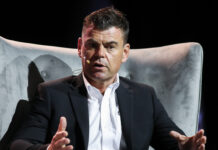
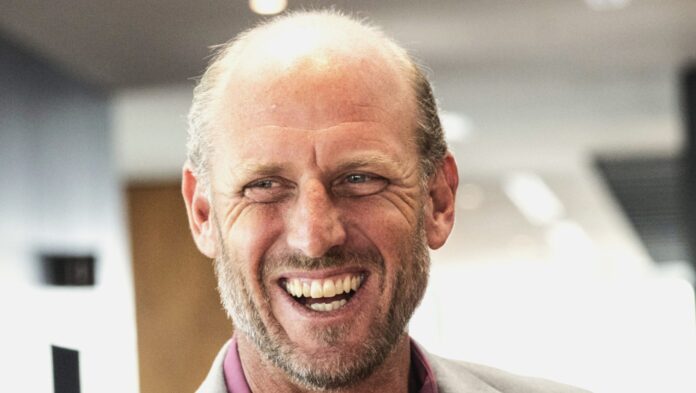
“Spoiler alert: this is a boring back to basics approach,” said Richard Stewart, CEO of Sibanye-Stillwater in his first major presentation today since taking over in October from Neal Froneman, the group’s founding CEO.
In the presentation, Stewart parked the group’s famed growth through acquisition approach, saying: “For the record, we don’t have an acquisition strategy”. Instead the company will refuel is balance sheet by cutting gross debt 50% to about $1.1bn in two years, and allocate funds to low cost organic projects, especially in platinum.
Projects targeted in this regard are accessing deeper portions of its Rustenburg platinum mines in South Africa through the neighbouring Kroondal, and at Marikana. An estimated 1.5 million oz of annual production would flow from these projects over 10 years, due to be implemented over four to eight years.
In respect of its gold division, Stewart said a decision would also be made by mid-2026 on a feasibility to restart the 120,000 to 130,000 oz/year Burnstone project in Mpumalanga. When it was stopped, it was projected to cost R5.5bn in capital expenditure.
Total capital, including costs and projects, is estimated to decline over Sibanye-Stillwater’s 2026 and 2027 financial years before picking up again as organic projects were phased. All in all, Sibanye-Stillwater hopes they will reduce an estimated 30% drop in its three million ounces a year in precious metals equivalent production to a 15% decline.
As for the gold assets, Stewart said it didn’t make sense to buy into new reserves at the current gold price, but rather focus on maximising production from Driefontein which has an estimated 10 years of operating life left.
The strategy also takes in an group-wide asset review, including the US-based palladium/platinum mine Stillwater, which Sibanye-Stillwater said it will keep. Stillwater West, which was suspended, remained a future project option, said Stewart.
But other assets looked to be on thin ice. These included GalliCam, the firm’s ill-fated foray into a nickel refining in France, and Mt. Lyell, a copper project in Australia that was adjunct to the acquisition of zinc tailings miner, New Century in 2023 for $108m. New Century remains core to the group but has only 18 months of mining left.
Keliber, a lithium project in Finland, was a core asset. Commissioning of a spodumene concentrate processing plant was due later this year. While this is short of Keliber’s initial ambition to produce refined lithium hydroxide, Stewart said Sibanye-Stillwater had the option of moving to that when prices incentivised it.
Regarding the group’s capital allocation strategy, on which it will expound in more detail during March, Stewart said he was “looking forward to getting back into paying dividends”. The 25% to 35% or normalised Ebitda policy remained “intact”, but Stewart said Sibanye-Stillwater’s board would discuss the merits of new policy, as a matter of course.
Sibanye-Stillwater will reduce a $750m convertible bond, due in November, to around $500m before refinancing it, said Charl Keyter, Sibanye-Stillwater CFO.
Stewart was asked about the merits of buying more shares in DRDGold, the JSE-listed gold tailings company. Sibanye-Stillwater spent about R2bn taking an initial stake and exercising an option to buy a total of 50.01%, its current holding.
That holding is now worth R27bn, said Stewart who added, therefore, that it didn’t make sense to make buy control of DRDGold now. But finding a vehicle to combine DRDGold’s skills with Sibanye-Stillwater as it turned attention to the development of the Cooke uranium/gold tailings west of Johannesburg could make sense, in time.