


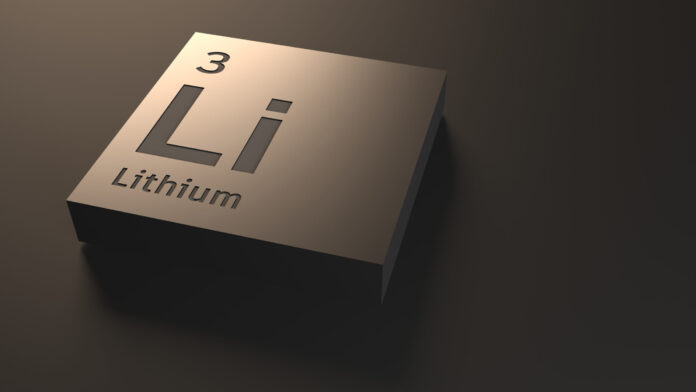
A DECISION on when to proceed with the third phase of the full €763m Keliber project in Finland, the refinery, is expected to be made in the fourth quarter of this year, once there is clarity on sustainable pricing, CEO Richard Stewart said yesterday.
He was speaking at the group’s International and Recycling Operations Capital Markets Day. Management’s update on the Keliber project showed that construction of the Syväjärvi open pit lithium mine has been completed on schedule and mining has begun. The concentrator is now in the hot commissioning phase. The refinery would be the third phase of development.
The key issue for proceeding with the refinery is the volatility of the lithium hydroxide price. China, which produces over 70% of the world’s refined lithium, has a disproportionate influence on prices. In the second half of last year the lithium hydroxide price fell below $10,000/t, but late in the year a “perfect storm” drove prices up again: strong ESS and BEV demand, constrained Chinese supply, restocking ahead of the lunar New Year and tax rebate changes, as well as a weaker US dollar.
Currently the lithium hydroxide price is around $24,000/t, a level at which the Keliber project is “very robust”, Stewart said.
Mika Seitovirta, the Chief European Advisor to the project, said there were important discussions under way with EU policymakers and Finnish stakeholders on securing some form of price protection for the Keliber project. “We are happy the door is open and the first steps are there,” he said.
In March this year the EU passed the Industrial Accelerator Act, with an emphasis on “Made in the EU” and introducing local content requirements for procurement. That suits Keliber, which wants to deliver an EU product to EU customers. However, the EU lacks the tailored support that critical minerals projects need, such as floor prices, early support for innovative projects and ramp up support for strategic projects.
Asked whether Sibanye-Stillwater was using starting or deferring the refinery as leverage in its negotiations with the EU over investment protection, Stewart said it was not a “binary” decision. If there was regulatory support, the decision would be easier to make.
What is important is the economics of the project, he said. It can make a profit at a price above $13,000/t and is very attractive at current prices, but if China could impact prices again below $10,000/t, the refinery would not be viable. It is difficult to put a refinery on care and maintenance.
“We want to know there is viability for this project,” Stewart said, adding that Sibanye did not want its shareholders to carry all the risk. This is the only integrated lithium project in Europe and is a strategic asset, he stressed, not just for Europe, but for the world.
Asked whether the biggest risk for Keliber was mining, marketing or processing, Stewart said the mining and processing was straightforward, but any refinery was a complex operation and it would take time to get it right.
Fortunately, Tesla had built exactly the same refinery and Sibanye could learn from them.