




SIBANYE-Stillwater has raised the prospect of weighing new gold acquisitions in Africa when returns to dealmaking in the future.
“I can speculate on where I see our gold future being. I think in Africa, looking at opportunities and projects there,” said Richard Stewart, CEO of the miner in a presentation to analysts and investors last month. “That’s where we can be competitive. We cannot be competitive in big open-cut pits in Nevada. That’s not where our future lies.”
“Africa is a destination where we believe we can be successful,” he said. “The reason for that is we understand the continent. It’s all about the social stuff: that is what’s key: social, labour-intensive; that’s something we understand well.”
Mali, Ghana and Guinea are among some of the African governments which have sought to extract more revenue from their gold mining sectors through reviews of fiscal rules as well as updated mining codes.
Stewart has ruled out doing deals in the near term while the company focuses on spending at least R20bn maintaining production from its platinum group metals mines in South Africa from now until 2035. “There will be a time in the cycle to look at that again, and that time is not now,” said Stewart of gold deals.
However, the group’s gold production has fallen precipitously in the last five years from about a million ounces in 2020 to forecast output of 483,253 to 518,527 ounces for the 12 months ended December 2026. It can continue mining gold from the West Rand for up to the next 10 years but economic resources don’t extend further.
Another possibility for Sibanye-Stillwater is a bid for more shares in its 50.1% owned Durban Roodepoort Deep, a gold re-mining business. “The DRDGold business, I think, is fantastic,” said Stewart. “I’d love to own more of DRDGold. But is today the time to do that? No. That’s not where we see the best returns.”
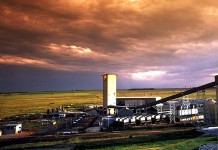
Sibanye-Stillwater’s board will meet in the current quarter to decide whether to restart Burnstone, a gold project in Mpumalanga province. The project, which was suspended in 2021, is scoped to produce 120,000 oz/year in gold.
Based on the recently completed feasibility study, it will operate at an average all-in sustaining cost of R872,000 per kilogram at steady state returning an net present value of R19bn assuming a 10% discount rate, and an internal rate of return of 36%.
Stewart said operationally the project stood up, but there was uncertainty over its empowerment obligations in terms of proposed amendments to South Africa’s Minerals & Petroleum Development Act.
“Burnstone will require renewal,” said Stewart of its mining licence. “There are a lot of rumours around what might come out in terms of renewals of new mining licences.
“Historically, Burnstone has been an empowered asset. So in terms of the numbers and the valuations that is the way we continue to look at it,” he said.