

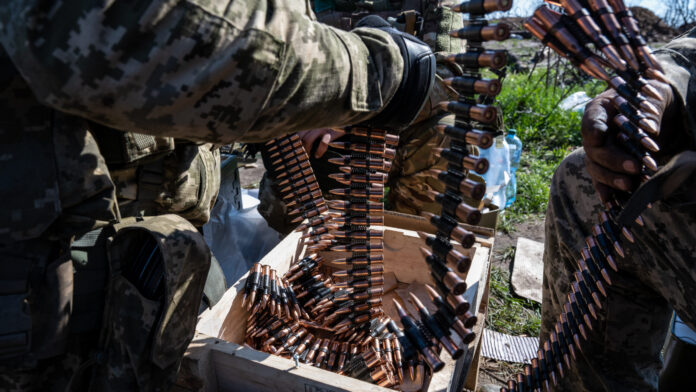
TUNGSTEN prices have surged more than 550% since China tightened exports of the metal – used in the manufacture of weapons – in 2024.
The rally has gathered pace in recent weeks as buyers exhaust stockpiles and military demand intensifies, said Bloomberg News. The APT European benchmark reached $2,250 per ton, the newswire added.
George Heppel, vice president of commodity research at BMO Capital Markets, said the market was the tightest he had encountered in 12 years across the commodities space, drawing comparison only with lithium in 2021.
China accounts for 79% of the roughly 85,000 tons of tungsten mined globally each year and holds the world’s largest reserves, according to the US Geological Survey. Chinese shipments of restricted tungsten products fell by about 40% last year, according to London-based research firm Project Blue, which values the global market at approximately $16bn annually — around 5% the size of copper.
Military consumption of tungsten, used in missiles, helicopters, fighter jets, artillery shells and armour-piercing ammunition, is forecast to grow 12% this year, Project Blue researcher Janine Le Roux said, with Middle East conflict a contributing factor to the most recent price spike.
Lewis Black, CEO of Almonty Industries, which began production at a South Korean mine in December and is pursuing the first US tungsten mine in a decade, said American authorities had contacted the company last month regarding immediate material availability. Almost half of its South Korean output is destined for Pennsylvania munitions production.
Alternative supply from Spain, Brazil, Australia and the United States is at least two years away. Recycling and scrap recovery by companies such as Ceratizit and Sandvik provide some buffer, but analysts say resolving the structural tightness will require higher Chinese output and expanded artisanal production globally, alongside new Western mine development.