



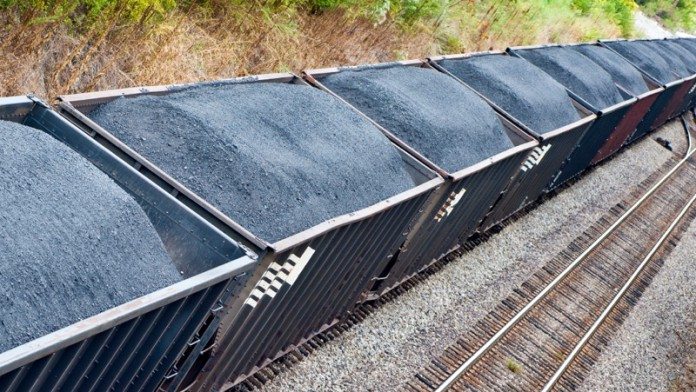
ASIAN economies are ramping up coal consumption and production as the US-Israel war against Iran threatens prolonged disruption to Middle East oil and gas flows, raising fears of an extended regional energy crisis, said the Financial Times.
The Strait of Hormuz, through which much of Asia’s liquefied natural gas passes, has slowed to near standstill since strikes on Iran began, sending oil and gas prices soaring, the newspaper said. Thermal coal has risen more than 17% since the conflict started, against a 60%-plus surge in Asian gas prices, making coal a comparatively cheap alternative.
“Asian countries are opening the tap on coal generation to help offset rising gas prices and supply risk,” Anthony Knutson, global head of coal at Wood Mackenzie, told the Financial Times.
China and India are tapping stockpiles while Bangladesh, South Korea, Japan and Thailand have restarted or expanded coal-fired generation, shrugging off environmental concerns. South Korea lifted an 80% seasonal cap on coal plant utilisation to ease reliance on LNG. Japan’s prime minister announced restrictions on older coal plants would be lifted for a year to ensure stable electricity supply.
In India, where coal supplies three-quarters of electricity, Prime Minister Narendra Modi warned parliament of a “major challenge” as summer demand approached. New Delhi has ordered imported-coal plants to run at capacity, including reviving a mothballed Tata Power facility.
“Coal never really went away,” said Rohit Chandra of the Indian Institute of Technology Delhi.
The crisis is entrenching coal’s role across the region. “Coal is already the dominant fuel in Asia’s power mix,” said Sam Chua of Rystad Energy. “What is accelerating now is gas demand destruction.”