





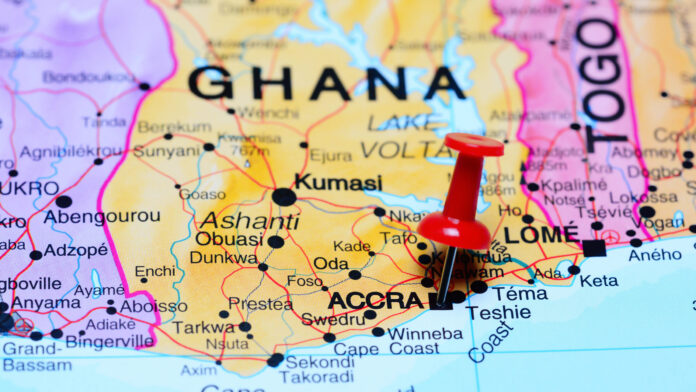
GHANA has prohibited all mining operations within forest reserves, marking a significant reversal of environmental policy in Africa’s leading gold-producing nation.
Reuters cited the country’s Ministry of Environment, Science and Technology as saying the ban aimed to protect water resources and combat rampant deforestation. This was driven by unregulated artisanal mining activities that have devastated cocoa plantations and contaminated river systems.
The prohibition follows widespread concern over illegal small-scale operations that now affect 13 of Ghana’s 16 regions, including major cocoa-growing areas in Ashanti, Western and Eastern provinces, said Reuters.
Major mining companies including Gold Fields, AngloGold Ashanti, Newmont and Asante Gold have reported frequent trespassing by unlicensed miners on their concessions, prompting substantial expenditure on security infrastructure, aerial surveillance technology and community outreach initiatives, the newswire said.
Authorities have undertaken comprehensive sector reforms, implementing formal licensing systems for artisanal miners whilst establishing community mining schemes and enhanced enforcement measures against illegal operations and gold trafficking.
The ban repeals Environmental Protection regulations introduced in 2022 that permitted controlled mining in forest reserves.
Following a mandatory 21-day constitutional period, the prohibition took effect this week, providing Ghana—the world’s second-largest cocoa exporter—with enhanced legal mechanisms to safeguard forests, water supplies and agricultural land.
“Healthy forests bring rainfall, protect our farms, and give life to our communities,” said Acting Environment Minister Emmanuel Armah-Kofi Buah.
Environmental advocate Daryl Mensah-Bonsu of Da Rocha Ghana noted the policy shift restores protections after nearly 90% of reserves were opened to mining, though cautioned additional measures including forest restoration programmes remain essential to address ongoing encroachment challenges.