



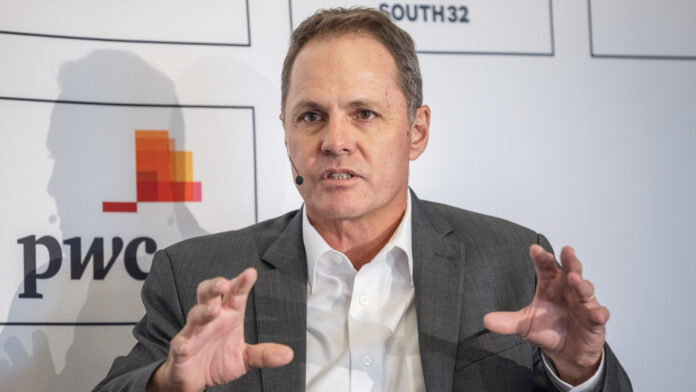
DRDGOLD CEO Niël Pretorius has highlighted the danger posed to South Africa’s gold producers by shortages of sodium cyanide produced by Sasol which is the country’s only manufacturer but no longer considers cyanide production a business priority.
He has proposed that a consortium of the country’s gold producers buy the plant from Sasol and bring in a chemicals company to run it.
Cyanide is an essential ingredient in the gold recovery process and Pretorius commented supply “has been a challenge for a long time” with a critical shortage emerging at the end of 2025 after Sasol declared force majeure and temporarily disrupted supply.
Pretorius said the situation is getting worse because of rising demand for cyanide from the expansion of gold dump retreatment operations by DRDGold, Harmony Gold and Pan African Resources.
“A long-term, sustainable remedy for the gold industry to the long-standing bigger supply problem is now imperative. We are engaging with our gold-producing peers on possible solutions to maintain a reliable sodium cyanide supply for our industry going forward,” he said.
Pretorius added: “Sasol obviously does not want their cyanide plant. We are hoping that this group of industry players could maybe buy the plant from them and partner with a large chemical company in South Africa to run that plant for us.
“We need to own that risk. We don’t want to make lots of money producing cyanide. We want access to a reliable, affordable supply like we have always had but Sasol no longer considers this a priority because they have to spend capital on that plant and they have other priorities.
“That’s why they tried to sell the plant to Draslovka Holdings and we objected to that.”
In October 2023 the Competition Tribunal issued an order prohibiting the merger of Sasol’s sodium cyanide business with the SA subisidiary of Draslovka which is Czech Republic based producer of sodium cyanide.
The Competition Commission had previously found that the proposed merger would have a “substantial negative effect on the public interest given its effects on the South African gold mining sector.”
Pretorius commented: “We objected because the Draslovka pricing model taken to the Competition Commission used import parity for some of the ingredients for cyanide which were being produced locally. We demonstrated that, over time, that financial model very significantly compromise the future viability of our business.”
Pretorius added “We have to be very careful that we don’t fall foul of competition legislation ourselves. What we are trying to do is, within the ambit of the law, establish a local collaboration between mining companies and come up with something very similar to the Rand Refinery model.
“So we’ll see if we can acquire the plant and then put a chemicals company in there that wants to be in South Africa and wants to produce cyanide to run it for us.”