




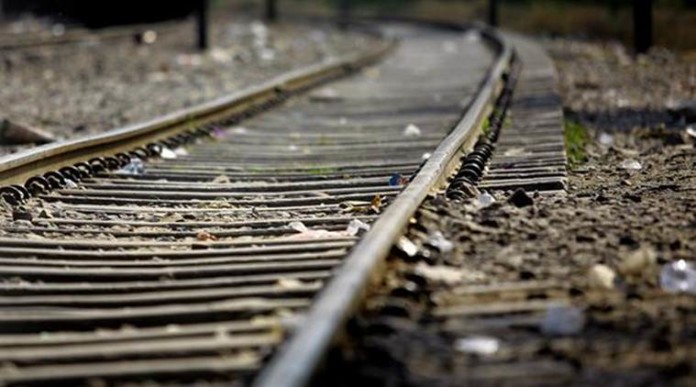
ZIMBABWE’S crumbling rail system may be worse than even South Africa’s. It is a huge stumbling block for its mining industry, raising transport costs and making local minerals less competitive globally. The poor rail infrastructure, as in South Africa, is forcing mining companies to use expensive road transport.
Gumisai Nenzou, marketing manager for the Minerals Marketing Corporation of Zimbabwe (MMCZ), says the “decaying state” of the national rail system has created a bottleneck for the mining industry. He blames this on “decades of neglected tracks and ageing equipment”.
He says the impact is most severe for bulk commodities such as coal, chrome and lithium, which require large transport volumes to remain profitable. “When these goods are hauled by truck to ports like Beira in Mozambique, the cost of fuel and maintenance pushes up the final price.” He says this makes Zimbabwean exports less competitive compared with countries that have functioning rail networks.
Despite these issues, mineral sales hit 4.8 million tons in 2025, earning $3.4bn — up 61% in volume and 14% in value from 2024. Platinum group metals (PGM) matte sales jumped 71% to $1.5bn (37,194t exported), and lithium brought in $571.6m. Growth came from higher PGM prices and better processing, though diamonds and coke lagged.
Experts are urging greater focus on processing minerals locally (like Zimbabwe’s raw lithium ban since 2022) to create jobs and revenue. Government officials promote mining at events such as February’s Mining Indaba in Cape Town, but critics say policies lack strength; there is no clear “critical minerals” list or supply chain plans to rival the US or EU. A presidential aide has called current efforts “feeble” and inconsistent.
Reuters reported last year that Zimbabwe’s platinum miners are owed millions of dollars in unpaid export income under the government’s foreign currency retention rules. The Chamber of Mines Zimbabwe said this affects operations in a sector still recovering from a price collapse. The report said the country requires all exporters to retain 70% of their foreign currency earnings, with the remainder converted to local currency.
MMCZ GM Nomusa Jane Moyo says recent growth has been driven by firmer prices for PGMs and improved export processing efficiencies.
“Value growth, however, was partly constrained by lower rough diamond sales volumes, depressed diamond prices and heightened competition in the coke market, which required strategic price adjustments to maintain market share,” she says.
The MMCZ says volumes were 33% above target, while revenue exceeded projections by 10%. It is targeting $3.5bn in mineral sales for this financial year.
Zimbabwe is positioning itself as a mining destination. At the Mining Indaba conference, officials promoted investment opportunities in the sector. Farai Maguwu, executive director of the Centre for Natural Resource Governance, says while the country is actively courting investors, more emphasis needs to be placed on value addition and local participation.
He says the Zimbabwe Investment & Development Agency (Zida) needs to intensify efforts to attract investors who are prepared to invest in beneficiation. “Zida must market the country for investors to come and do value addition,” he says, urging the government to empower local players to participate meaningfully in the value chain.
“We need the setting up of companies that process all these minerals,” he says. Zimbabwe was the first African country to ban raw lithium exports in 2022, a move partly inspired by Indonesia, amid rising Chinese investment in lithium mining and processing.
George Charamba, deputy secretary in the office of the president, says Zimbabwe has made only “feeble attempts” to control its minerals. “It has banned the exportation of raw minerals; it has also started demanding royalties in minerals as opposed to cash. Yet these are … weak concessions,” he wrote in The Herald, a newspaper.