



ONE assumes the electricity regulator in South Africa (Nersa) is conscious that in approving a heavily discounted tariff for ferrochrome smelters, it is waving a green flag for other miners operating smelters, such as platinum.
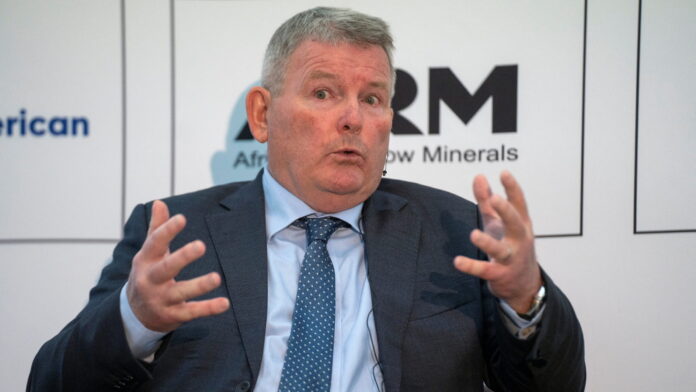
Paul Dunne, CEO of Northam Platinum and president of the Minerals Council South Africa acknowledged that a positive decision for the ferrochrome industry – which he described in a recent interview as “a burning platform” – would have broad consequences.
“In the immediate term, let’s find a solution for the ferrochrome industry, which is quicker and can help protect that industry for the country,” said Dunne. “And then let’s see what the implications are for other large users. Whatever gets done for ferrochrome needs to be, shall we say, able to be replicated — but it’s not a given.”
The agreement between ferrochrome producers and Eskom set before Nersa is 62 cents per kilowatt hour, well below the current ‘special’ tariff of 87c/kWh, itself 35% below the previous rate.
On this basis, the Merafe Joint Venture announced on February 28 it would keep its ferrochrome operations in South Africa open for another month, until the end of March, in order for Nersa to rubberstamp terms for a lower electricity tariff.
Only 11 of South Africa’s 66 smelter furnaces are currently operational. South Africa’s electricity minister Kgosientsho Ramokgopa said the lower tariff would bring 45 furnaces back into production by December, with a further four expected online by end-2027.
Nersa will no doubt recognise that the country’s electricity provider is in a bind. It is three months since Eskom used supply from its Open Cycle Gas Turbine (OCGT) facilities. Peak demand of 24,274 MW in January and 25,369 MW in February was “comfortably” met, says Minerals Council economist, André Lourens.
While that means Eskom holds more than 4,400 MW of cold reserves it’s without ferrochrome smelter demand.
Decline the discounted tariff solution negotiated between the smelters and Eskom and potentially hundreds of thousands of direct and indirect jobs will be lost. Said Dunne: “There’s such a burning platform for ferrochrome that we are supportive of a solution in the first instance for that industry,” he added.
The dilemma also throws into relief the comments of Minerals Council which in the hours after the National Budget last month, said the absence of a discussion about a sustainable energy tariff for the country’s smelters was dismaying.