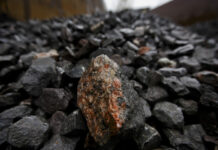






SIBANYE-Stillwater is to close its Kwezi platinum group metals shaft near Rustenburg, which could affect over 1,000 full-time employees and contractors.
The miner said on Tuesday that while the Kwezi shaft produced positive cash flow in its latest financial statements, declining production would see it return to its long-term trend of loss-making. Discussions with unions and non-unionised employees were underway in terms of Section 189 of South Africa’s Labour Relations Act.
“Unfortunately, given the depletion of economically mineable reserves and the corresponding declining financial outlook, it is necessary to commence consultations regarding the future of Kwezi shaft,” said Richard Stewart, CEO of Sibanye-Stillwater, in an announcement to the JSE.
Kwezi produced 20,658 ounces of PGM in the first half of Sibanye-Stillwater’s financial year, representing less than 3% of total managed and attributable South African PGM production of 734,645 4E ounces for the period.
In total, the proposed restructuring could affect 781 employees and 333 contractor employees. Kwezi reported losses of about R208m in 2024 and R91m in 2025.
The mine’s closure could have been forestalled, however. An extension project, known as Kwezi Shallows and intended to access underground mineral resources, was delayed owing to “stakeholder objections, appeals and delays in required approvals”, said Sibanye-Stillwater. “The absence of these additional reserves has accelerated depletion of the remaining mining inventory and weakened the shaft’s sustainability,” the company said.
“The company has implemented various initiatives over several years to extend the shaft’s life, including reserve optimisation and boundary adjustments,” it said.
Efforts would be made to minimise losses, the group said. “We acknowledge and are sensitive to the uncertainty that consultation processes create for employees and their families and remain deeply committed to engaging constructively throughout the process,” it added.
Sibanye-Stillwater said last week it was prepared to shut the 284,000-ounce-a-year Stillwater mine in the US if a strike launched by employees prevented the company from implementing a new wage agreement.
This was after the United Steelworkers notified Sibanye-Stillwater that employees at Stillwater East and the Columbus metallurgical facility would begin strike action on September 3. Sibanye-Stillwater said it had been negotiating with the union for more than four months.
Employees at the Stillwater East mine are being asked to accept a team-based incentive system rather than the individual miner approach of the past 20 years.
The proposed incentive changes form part of a wider mechanisation and productivity programme aimed at cutting all-in sustaining costs from about $1,500 per two-element ounce to around $1,000 per ounce over two to three years.
“What we have at Stillwater is a legacy scheme that’s been in place for 20 years,” said Sibanye-Stillwater’s head of international operations Charles Carter, who added that employees were resistant to change.