



SYLVANIA Platinum has cut the long-term chrome production forecast for its Thaba Joint Venture after finding lower ore grades than expected.
The AIM-listed, platinum group metal and chrome producer said chrome grades at Thaba in South Africa will be eight percent to 12% lower than first estimated, while PGM grades were 15% to 20% below target.
The company had originally expected Thaba to produce about 200,000 tons of chrome concentrate a year attributable to Sylvania.
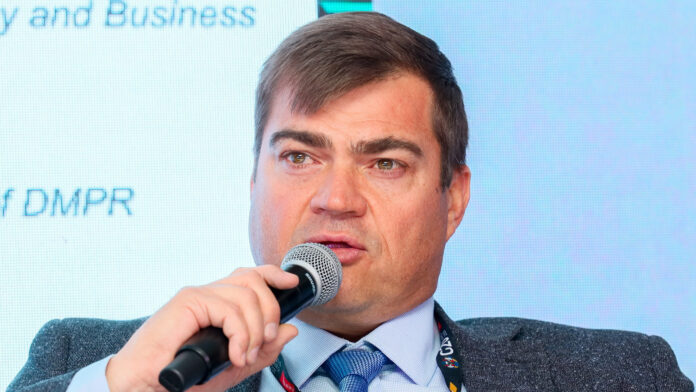
Despite this, Sylvania CEO Jaco Prinsloo said the project was profitable.”We’re still meeting our investment returns, albeit a bit lower than originally anticipated,” he said following publication of Sylvania’s full-year results today.
Thaba is a 50:50 joint venture between Sylvania Metals and Limberg Mining Company processing run-of-mine chrome ore and historical tailings from the Limberg Chrome Mine. The venture gives Sylvania exposure to both chromite concentrate and PGMs.
At project approval, Sylvania expected attributable steady-state production of 200,000 tons of chromite concentrate and 6,500 4E PGM ounces a year. At the time, Sylvania forecast a more than 20% investment return hurdle on the project, and project payback in three years of commissioning.
The lower grades meant Sylvania and its joint venture partner had to review the geological model and mine plan. Prinsloo said the updated geological model allowed for more dilution – or waste material mixed with the ore – than previously assumed.
Sylvania was now reviewing the pit design and cut-off grades, with an updated life-of-mine plan expected within three to six months.
Ramp-up
The lower grades had already emerged during Thaba’s ramp-up.
However, Prinsloo said the plant had demonstrated that it could reach full throughput. The focus was now on ensuring it had enough run-of-mine material of the right grade to operate consistently at that level.
Sylvania has also bought alternative feed material in the short term while it continues to optimise the mining operation. “We also have to ensure that there’s enough run-of-mine material to meet it,” Prinsloo said.
Sylvania has guided to attributable chrome production of 110,000 to 140,000 tons in its 2027, compared with 50,317 tons in FY26, allowing extra time for the operation to build up production while work on the mine continues.
Prinsloo said production would improve with optimisation before settling at about 160,000 to 180,000 tons a year from the 2029 financial year.
Thaba was expected to contribute about $5m in earnings before interest, tax, depreciation and amortisation this year, rising to between $10m and $15m in 2028 and closer to $15m thereafter on current assumptions, Prinsloo said.
He said Thaba remained profitable on current assumptions, although its returns were particularly sensitive to chrome prices.
Strong year
The developments at Thaba came during an otherwise strong year for Sylvania.
Annual PGM production rose 18% to a record 95,885 4E ounces, beating guidance, while a stronger PGM basket price helped lift net revenue 117% to $226.3m.
Sylvania declared a final dividend of 4 pence a share, taking its full-year payout to 6p compared with 2.75p last year. The payout was above the minimum required under its dividend policy.
Sylvania CFO Ronel Bosman said the policy provided for a minimum payout of 40% of adjusted free cash flow. The company has paid above that level in recent years.
Sylvania expects capital spending of about $31m in 2027, but Prinsloo said the higher spend would not necessarily mean a lower dividend.
“I think we’d at least be able to maintain [it], to potentially grow it,” he said, provided production and prices stayed around current levels.
Sylvania is also looking for further growth opportunities, including ways of expanding its existing operations and replicating the Thaba model elsewhere.
Prinsloo said Thaba did not have to be fully resolved before Sylvania considered another project. “Thaba is not a constraint to growth at this stage. So I do think we’re ready to look at next projects.”