




WHEN I read about the KwaZulu-Natal high court ruling allowing the Philippines-based ICTSI to proceed with the upgrade of Durban’s Container Terminal Pier 2, I had two thoughts: the first was that this is a welcome development, and the second was, why was so much time wasted? This R11.1bn investment is not just a win for the port; it’s also a win for South Africa’s economy, trade competitiveness and global investor confidence.
Overall, though, it’s a sobering reminder of just how long it’s taking to get critical projects off the ground. Legal challenges delayed this strategic infrastructure deal for more than a year. In that time, South Africa lost valuable momentum, and the port, one of our busiest, continued to operate below its potential.
At Afrimat, we understand this frustration only too well, having had to wait for close to a year to get the go-ahead from the Competition Tribunal after the Competition Commission cleared the Lafarge transaction. I know that these delays have real consequences because assets deteriorate, opportunities fade and you can only watch helplessly as the cash in the bank slowly erodes.
This is not just an opinion piece about one company or one port. It’s about the broader challenge we face as a country: the slow pace of execution. South Africa has no shortage of plans, strategies or willing investors. What we lack is speed and certainty in implementation.
As a business leader, I am fully committed to South Africa. Afrimat’s assets are located here, and I want the country to work because it is critical to the roughly 3,800 people we employ and their dependents, as well as to our customers, some of whom are facing tough times because of the low and slow economic growth rate.
Though I’m not an economist or a politician, I do wonder, from an entrepreneur’s perspective, why the government can’t just implement a handful of practical steps that could make a substantial difference? This could be fast-tracking approvals for strategic infrastructure projects under a certain threshold; creating a dedicated infrastructure ombud to resolve disputes quickly and transparently, and engaging industry early to ensure projects are designed for execution, not just policy.
I am encouraged by the World Bank and by businessman and philanthropist Jonathan Oppenheimer, who both suggest that the government step aside, making it easier for entrepreneurial businesses to do what they do best. I cannot help but support this sentiment. South Africa has amazing entrepreneurs, big and small, all wanting to thrive and improve the lives of their families, employees and communities. And I know this can be achieved.
But what we need is urgency. Let’s turn legal victories, like the ruling, into economic momentum. Let’s clear the path for investment, job creation and infrastructure renewal. The private sector is ready. Together, we can build a South Africa that moves forward — quickly, confidently and inclusively. And with the country’s recent upgrade by the rating agencies and our removal from the greylist by the Financial Action Task Force, this could now be even easier.
The last point, in particular, is where I have seen some real progress being made — where the private sector has put up its hand and actively jumped in to help the government get railway lines operational and to limit theft along the lines. These are things the private sector can do very quickly, and I believe this effort is sustainable. South Africa has the talent, the resources and the ambition to grow. All we need to do is harness that ability, unfettered by red tape and endless bureaucracy.
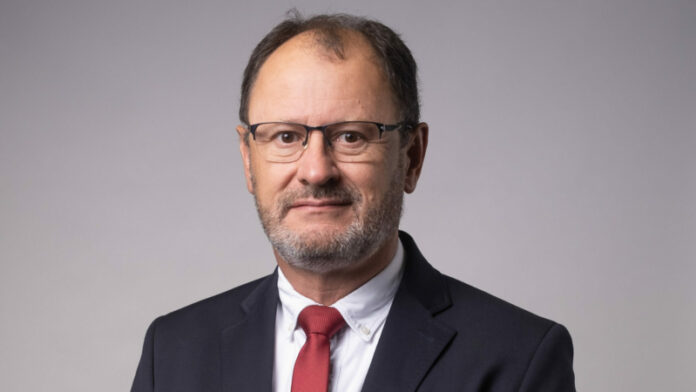
Van Heerden is CEO of Afrimat.
This column was first published in the Financial Mail.