

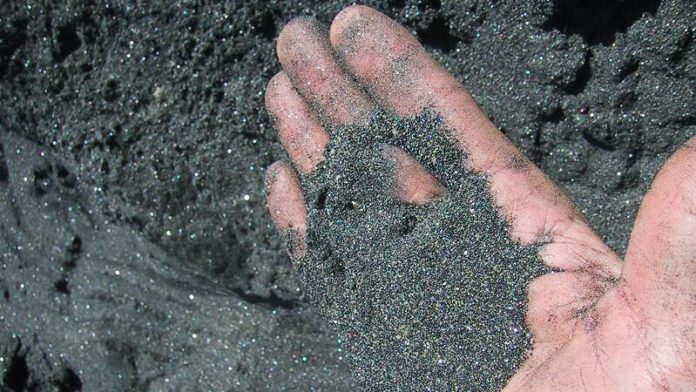
SOUTH Africa’s chrome ore producers and ferrochrome smelters have rejected proposals for a chrome ore export tax, arguing that globally competitive electricity tariffs represent the only viable solution to restarting idled facilities.
The Ferro Alloy Producers Association, representing primary miners, platinum group metals operations generating chrome ore and integrated producers, said the industry remains united in safeguarding the ferrochrome sector whilst adding value to the country’s mineral resources.
They said chrome ore pricing and availability had not caused smelter closures or suspensions. Rather, electricity tariffs rising more than 900% since 2008 have rendered domestic facilities uncompetitive and unprofitable.
The industry warned that without directly addressing electricity costs, trade measures including export taxes or quotas would fail to restore viability to ferroalloy smelters. Such interventions would harm chrome ore producers without materially assisting smelter recovery, they argued in a statement issued by the Minerals Council.
Glencore and Samancor Chrome, both ferrochrome smelter operators, have proposed a solution requiring no subsidies from government, Eskom or other mining companies.
Smelter operators are exploring renewable energy acquisition as a longer-term solution. Whilst implementation will take time, this approach would reduce Eskom dependence and position South African ferroalloy producers to minimise exposure to Carbon Border Adjustment Mechanism penalties.
Additional supportive measures could include reducing or temporarily suspending domestic carbon tax applied to smelters.
FAPA and non-integrated chrome producers also stressed the urgent need to eliminate illegal chrome mining, which generates an estimated R8bn annually and accounts for roughly 10% of South Africa’s chrome ore exports. This requires comprehensive law enforcement intervention, enhanced border controls and stricter, consistently enforced regulations.
The Minerals Council, its members and FAPA have proposed jointly developing a beneficiation roadmap with government to encourage industrialisation and sustain investment in exploration, mine development and downstream processing.