



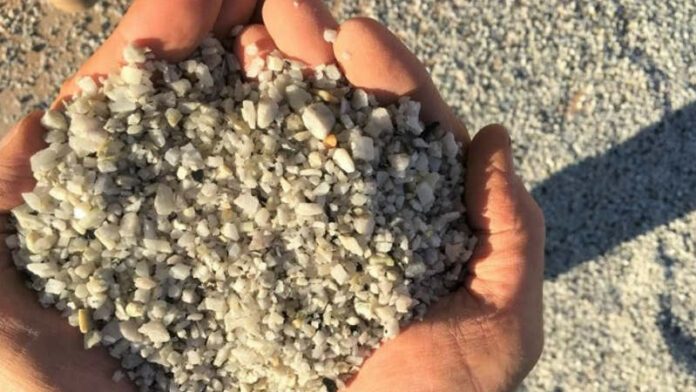
ZIMBABWE has imposed an immediate ban on exports of all raw minerals and lithium concentrates, said Reuters citing a mines ministry announcement on Wednesday.
Reuters said in its report that the reason for the ban was alleged malpractices and leakages in the country’s export processes.
The suspension applies with immediate effect, including to minerals already in transit, and will remain in place until further notice. “Government expects cooperation of the mining industry on this measure which has been taken in the national interest,” the ministry said.
In a letter to Zimbabwe’s Chamber of Mines, the ministry said the move was intended to “curb leakages and enhance efficiency” in export systems, and that it would use the period to realign export processes. The letter was dated February 17.
The ban brings forward restrictions on lithium concentrate exports that had previously been expected to take effect in 2027 as part of a broader push for domestic processing, said Reuters. Zimbabwe is Africa’s largest producer of the battery mineral, exporting 1,128 million tons of lithium-bearing spodumene concentrate in the year to December 2025, up 11% on the previous year.
The country has rapidly expanded lithium output following substantial investment by Chinese mining companies including Zhejiang Huayou Cobalt, Sinomine, Chengxin Lithium Group and Yahua. Most of the concentrate is shipped to China for processing into battery-grade materials, but Harare has been pressing miners to conduct more processing locally to capture greater value from the global energy transition.
Some Chinese firms have already moved in that direction. Huayou recently commissioned a $400m plant to process lithium concentrates into lithium sulphate, while Sinomine has announced plans for a $500m sulphate facility at its Bikita mine. The export ban is likely to accelerate pressure on remaining producers to follow suit.