


EUROPE could miss out on a critical high-tech metal even though it is set to produce enough to meet its own needs, said the Financial Times citing London-listed energy company Metlen.
Evangelos Mytilineos, chairman of Greek group Metlen, said European buyers have so far balked at paying more for gallium than they would pay for material sourced from China, and warned that without stronger demand from the continent, the metal would instead be exported to the US and Japan.
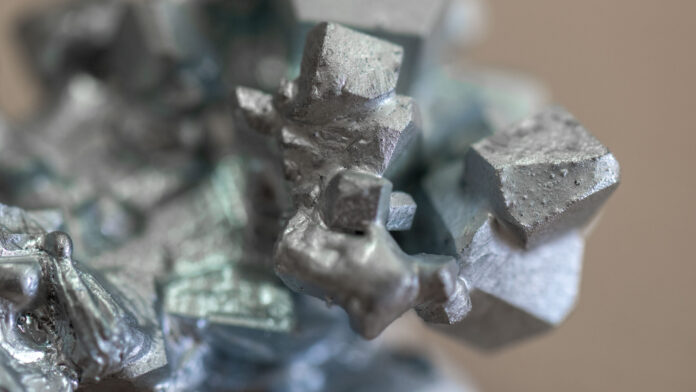
Gallium is a vital component in semiconductors and defence equipment such as radar, missile-guidance systems and satellites, and is regarded as central to the technology underpinning artificial intelligence.
Metlen intends to produce 50 tons of gallium annually from next year – enough, it says, to satisfy the whole of Europe’s demand – yet roughly a quarter has already been earmarked for an American technology firm, with further deals outside Europe under discussion.
Industry observers say Washington has committed vast sums, including equity stakes in mining firms, to challenge China’s dominance of critical minerals, while Japan has invested in supply chains for years.
Europe, by contrast, has been accused of lagging, not just in gallium but across rare earths and battery metals such as lithium.
China has been accused of restricting exports of critical minerals amid trade tensions with Washington, tightening supply and pushing up prices.
Mytilineos said Metlen’s production cost is under $300 per kilogram, against a European price above $3,000, and that the firm aims to cut costs further to compete directly with China.