



LEBANESE bankers and politicians are privately debating whether to sell or lease part of the country’s vast gold reserves to help resolve an economic collapse that has devastated the country since 2019, the Financial Times said on Monday.
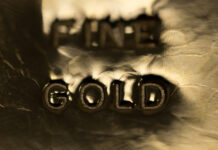
Lebanon holds more than 280 tons of gold — the largest reserve in the Middle East after Saudi Arabia — accumulated since the 1940s to underpin the Lebanese pound. With the gold price having surged roughly 70% over the past year to around $5,000 an ounce, the reserves are now valued at approximately $45bn, equivalent to more than half the country’s total financial losses.
Yet the prospect of a sale remains deeply unpopular. “The country isn’t broken financially — it’s been looted by our leaders,” said Ahmed Zaydan, a Beirut shop owner. “Don’t sell the gold, bring us the money you stole.”
Critics argue any sale would disproportionately benefit banks and wealthy depositors. “These are the assets of the people,” said Lamia Moubayad of the finance ministry’s Basil Fuleihan Institute. “If you’re selling the gold to pay the depositors, it’s like selling the family home to bail out one child at the expense of the others.”
Lebanese law currently prohibits the sale or lease of gold, requiring parliamentary approval for any change. The issue is central to a broader financial gap law that forms a key condition of a potential IMF rescue package — a deal analysts regard as essential to Lebanon’s recovery.
Financial crisis expert Mike Azar warned the central bank could face another default without authorisation to sell at least some of the reserves.