





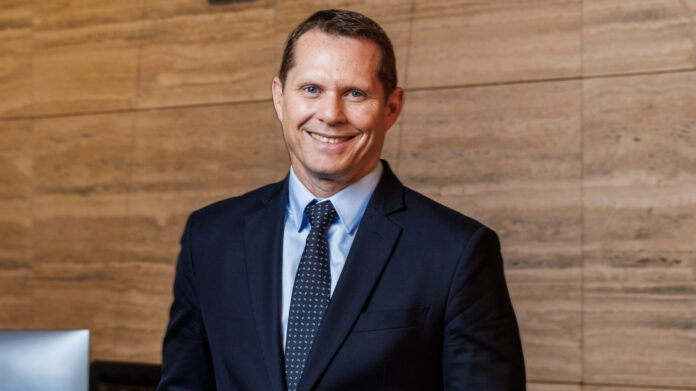
BRANDON Craig takes the helm at BHP on July 1 confronting a demanding agenda that spans cost overruns, threatened industrial action, major capital decisions and a shifting mergers and acquisitions landscape, according to a report by Reuters on Thursday.
The 53-year-old succeeds Mike Henry as the world’s largest miner trades near record highs, buoyed by investor optimism over copper and metals demand driven by data centres, energy infrastructure and defence spending, the newswire said.
Cost discipline will be an immediate priority after BHP flagged a $2.3bn charge last week from overruns and delays at its Jansen Stage 2 potash project — an expansion that fell under Craig’s watch as head of Americas.
Investors are also watching closely given other major projects underway, including the Vicuna copper joint venture in Argentina and Chile, and a multibillion-dollar smelter decision at Copper South Australia due by year-end.
Industrial relations present an early test, with unions escalating tensions at BHP’s Port Hedland iron ore operations and threatening coordinated strikes — potentially the first in decades — if negotiations on July 7 break down.
On M&A, Craig is not expected to move quickly, though analysts say BHP’s valuation premium keeps it well positioned to act. Anglo American, which rebuffed BHP’s advances in favour of a merger with Teck Resources, could become relevant again once that deal closes.
A friendly approach from Glencore, whose merger ambitions are well known, has also not been ruled out by those familiar with its thinking, said Reuters.
Uranium represents a longer-term growth question. Craig has signalled he will examine the opportunity carefully, though scale remains a constraint. BHP already produces roughly 5% of global uranium supply as a byproduct at Olympic Dam.