




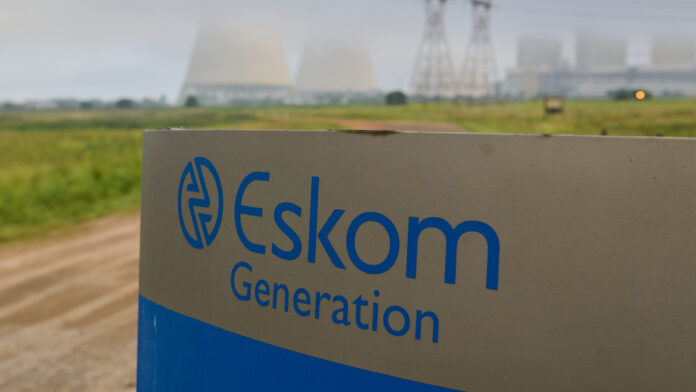
ESKOM has opted for less revenue from South Africa’s ferrochrome producers rather than no revenue at all. For a company that now generates more electricity than it can sell, that makes sense, even if it’s sobering.
Kept open, the ferrochrome producers consume between 1.6 and 2GW (1,600 to 2,000MW). An approximate conversion is to about 12 terawatt hours, equal in revenue to around R7.4bn. That’s the revenue Eskom stands to lose if it doesn’t agree to the 62c/kWh tariff put before it by the ferrochrome producers.
The cost of the cut-price electricity, down from the current amended price agreement (NPA) of 87c/kWh is likely to be borne on Eskom’s balance sheet; debt, in other words. Once again, it’s better to carry less debt than closing the smelters could imply. In short, the ferrochrome producers are too important, too existential.
At least the cost won’t be “socialised”, as it’s described. This agreement won’t be clawed back by Eskom in its price determination mechanism over which the energy regulator Nersa presides.
However, the deal is not going to be rolled out to other intensive energy users; the smelters producing other ferroalloys or platinum group metals. That will no doubt be a major frustration to the rest of the mining industry which also has the same cost pressures.
Instead, the plan is for Eskom to quickly migrate to power price agreements with independent power producers. Eskom’s announcement of the deal spoke of a five year agreement with ferrochrome producers. But Nersa will deliberate over a three year to five year deal, the shorter tenor to accommodate cheaper power supply from an IPP-PPA as soon as it becomes available.
It’s not a perfect deal, but it’s a deal that can work, provided Nersa supports it. If supported, at least 1,500 jobs will be saved at the Glencore Merafe Chrome Venture, and potentially hundreds or thousands in other direct and indirect jobs. That’s worth making compromises for.