





INVESTORS have shifted towards gold and the US dollar rather than government bonds as anxiety over an inflation shock from the conflict in Iran intensifies, said the Financial Times.
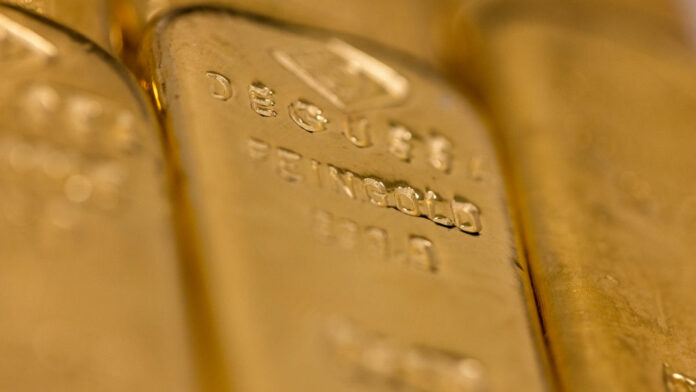
Gold climbed as much as 2.6% to above $5,400 per ounce on Monday, lifted by drone strikes on Qatar’s natural gas facilities that raised fears of a broader energy crisis. Government bonds, traditionally a refuge in turbulent markets, weakened as traders priced in higher inflation, pushing yields on two-year German Bunds and UK gilts sharply higher.
“We are seeing bonds again failing to provide protection against risk-off events, even as gold delivers,” Seb Barker, chief market strategist at Marshall Wace told the newspaper.
BlackRock Institute analysts said the market reaction confirmed that long-term government bonds were no longer reliable portfolio ballast given the stagflationary risks posed by an escalating Middle East conflict.
The dollar rose 0.9% against a basket of peers, reinforcing its traditional haven role in currency markets during periods of stress not centred on the US economy.
Several large asset managers reduced equity exposure in response to the uncertainty. Carmignac cut its stockholdings, including in Japan, and moved some of the proceeds into cash given the risks a surge in inflation would pose to bonds, said investment committee member Kevin Thozet. Citi downgraded Japanese equities and upgraded UK stocks, which carry heavier weightings in defence and energy companies.
Gold was a beneficiary of the broader sell-off and has now eradicated most of the losses it incurred during a sharp pullback in January, said the newspaper. “Gold has time and again defended its role as the ultimate safe haven in periods of heightened uncertainty and risks,” said Imaru Casanova, portfolio manager for precious metals at VanEck.
Analysts at Natixis said a protracted conflict in Iran could add as much as 15% to the gold price, with most of the move likely in the opening weeks.