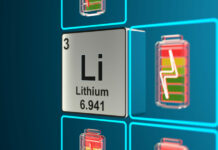




EVEN the most optimistic forecasts for lithium demand underestimate the metal’s future, said the Financial Times in a report this week citing the views of Tianqi Lithium CEO, Frank Ha.
Tianqi Lithium is one of China’s biggest producers of the battery metal and is embroiled in a global contest for market share, the newspaper said.
Ha said most projections accounted for rising electric vehicle sales but they had not fully factored in surging demand from battery-powered trucks, mining equipment and ships, as well as energy storage, AI data centres, humanoid robots and drones. “This is going to be a huge increase,” he told the Financial Times.
According to International Energy Agency data, lithium demand has grown by around 30% annually this decade, against roughly 10% in the 2010s. Forecasts from Wood Mackenzie, Project Blue, Fastmarkets and Mysteel project annual demand rising to between 3.6 million and 6.3 million tons over the next decade, from 1.1Mt last year.
Wood Mackenzie has warned that existing supply projects are unlikely to meet demand beyond the mid-2030s, and projects annual demand could exceed 13Mt by 2050.
Chinese companies, including rival Ganfeng Lithium, control around half of global lithium production, while China accounts for about 80% of battery cell output.
Tianqi, dual-listed in Shenzhen and Hong Kong, holds stakes in mining operations in Australia and Chile. Its Kwinana lithium hydroxide refinery in Western Australia, a joint venture with IGO, has been a source of tension after IGO wrote off its entire stake and called for closure. Tianqi maintains the facility will prove valuable.
The company swung from a record profit of Rmb24bn in 2022 to a near-Rmb8bn loss in 2024 after lithium prices collapsed by more than 80%. First-quarter profit this year recovered to Rmb1.9bn as AI-driven demand optimism revived the market.
Ha said Tianqi was increasing investment in solid-state batteries, recycling and waste processing to reduce its exposure to lithium price volatility.