



ZIMBABWE is in talks with China Railway over resource-backed financing to fund road and rail construction, as the southern African nation seeks to address an estimated $34bn infrastructure deficit.
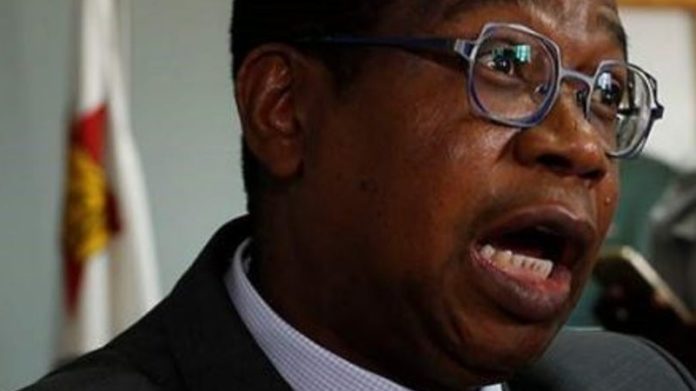
Finance minister Mthuli Ncube said discussions began on the sidelines of the World Economic Forum in Dalian, with Harare exploring arrangements under which future natural resource revenues would be pledged as security against project loans.
“We spoke to them about resource-linked debt instruments that we want to explore going forward to support our infrastructure development, especially roads and rail,” Ncube is quoted by Reuters as saying.
Under the proposed structure, toll revenues and returns from mineral investments would be used to retire the debt. Zimbabwe, Africa’s leading lithium producer, holds substantial mineral wealth but decades of economic mismanagement have left its transport networks severely degraded, the newswire said.
The approach mirrors a $7bn minerals-for-infrastructure arrangement the Democratic Republic of Congo has with Chinese partners through the Sicomines copper and cobalt joint venture. Zimbabwe’s dilapidated rail network is particularly important to Chinese mining firms, which have established a dominant position in the country’s extractive sector.
Separately, Ncube confirmed that a ban on lithium concentrate exports, scheduled for January 2027, will proceed despite industry calls for a delay.
Chinese companies have invested more than $2bn in Zimbabwe’s lithium sector since 2021, and Ncube said domestic processing capacity is available through a lithium sulphate plant built by Zhejiang Huayou Cobalt and a second facility under development at Sinomine’s Bikita mine.
Zimbabwe has been pressing miners to process more material locally rather than exporting raw concentrates.