



THE merger of Anglo American with Teck Resources hit a critical milestone on Tuesday evening after shareholders in both companies supported their combination, to form Anglo-Teck.
Teck ‘s Class B shareholders supported the deal, characterised as a ‘merger of equals’. The Weevil family, which controls Teck’s Class A shares had given its support in September when the proposed deal was first announced.
Only minutes earlier, in London, Anglo shareholders convened at a general meeting in which over 99% voted in favour of the merger as well as the name change to Anglo-Teck. A third resolution linking director bonuses to a successful deal was withdrawn on December 8 following discussions with shareholders, Anglo said.
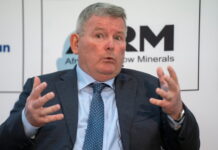
“We are delighted with the clear endorsement from our shareholders,” said Duncan Wanblad, Anglo’s CEO in a statement.
The $50bn transaction, amongst the mining sector’s largest, would establish a copper powerhouse. However, its scale requires approval from regulators, including Canadian authorities which is to run a national security review.
Under the Investment Canada Act, the national security review will examine potential effects on critical minerals and supply chains. Canada classifies both copper and germanium, which Teck produces, as critical minerals.
Anglo agreed to headquarter the combined company in Vancouver. Wanblad will lead Anglo with Teck Corproation CEO Jonathan Price taking the role of deputy CEO. The board would be drawn 50-50 from the two companies.
The logic for the deal is the fact the combined entity will have 70% of its production in copper, a metal tipped to run into major supply deficits in the years ahead. Anglo produced 770,000 tons of the metal last year while Teck is set to produce up to 525,000 tons this year.
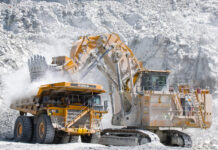
Both have plans to expand copper production, while they already own parts of a giant copper complex in Chile — the Collahuasi and Quebrada Blanca copper mines — which will be combined following the deal.
The companies estimated that the merger would deliver pre-tax annual cost savings of $800m.