




GIYANI Metals said on Thursday a proposed $535m manganese project in Botswana had “strong economics” ahead of progressing talks with strategic partners.
A definitive feasibility study published today said the K Hill Project would generate net free cash flow of $1.6bn over its 25 year life of mine, requiring $679m in total life of mine capex.
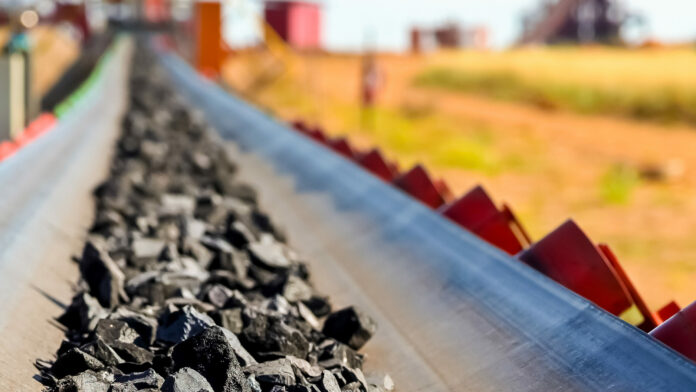
The K Hill Project has been scoped to produce high-purity manganese sulphate monohydrate, a battery grade mineral used in electric car manufacturing, from its site which is about 80km from Gaborone.
“We will be progressing our discussions with strategic partners and evaluating opportunities within the battery-grade manganese sector that have the potential to enhance value for our shareholders,” said Giyani Metals interim executive chair Nigel Robinson.
HPMSM production has strategic value as China controls about 95% of the market. This hasn’t helped Giyani Metals in the past, however. The company has suffered from a series of false starts and numerous management changes: four CEOs since 2022.
Robinson, who took the interim role at Giyani Metals last year, is non-executive director of Central Asia Metals, a UK-listed copper, zinc and lead miner and exploration company where he worked for 18 years previously.
South Africa’s Industrial Development Corporation has provided $16m in debt finance to Giyani Metals whilst more recently Patrice Motsepe’s African Rainbow Minerals has invested in the company, providing equity finance and a royalty agreement worth 19.99% of the firm through its ARCH Emerging Markets Partners.
There has also been some interest in Giyani’s plans from the US. A letter of intent for potential finance of $225m was issued by Export-Import Bank of the US.
Giyani is not the only Southern African company seeking to supply high purity manganese. Manganese Metal Company, in which former Harmony Gold CEO Bernard Swanepoel is invested, is developing facilities in Mpumlanga province in South Africa. MMC is already building a major $25m commercial plant to directly crystalise their high-purity metal into battery-ready HPMSM crystals.
Giyani Metals is planning first production in 2029 (a previous plan was for 2025 production). By this time, battery grade manganese will have entered its first year of supply deficit after which there were will be average deficit growth of 12%, according to a Giyani Metal’s presentation.
“With China controlling 95% of manganese processing capacity, access to non-China supply of this critical material is constrained,” said Robinson. “The DFS marks a significant step towards a viable solution.”
Shares in Giyani Metals gained 20% in early trade on the TSX Venture Exchange in Toronto. That takes gains for the year to date to 46%.