




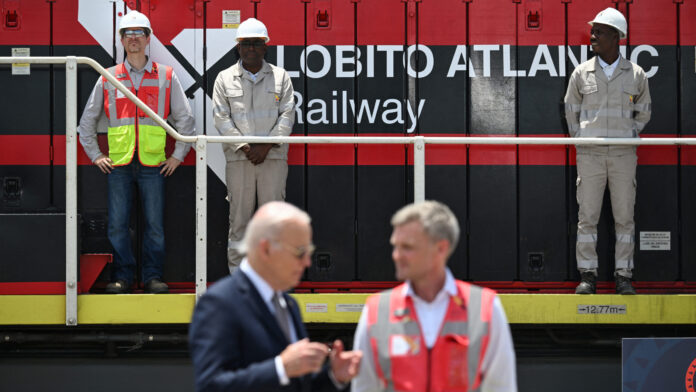
A RAILWAY linking Zambia’s copper belt to the Angolan port of Lobito will cost between $3bn and $5bn including rolling stock, said Bloomberg News in an article on Wednesday.
Citing an environmental and social impact report, the newswire said construction on the rail is due to begin this year with completion targeted for 2030. The Zambia Environmental Management Agency compiled the report, said Bloomberg News.
Africa Finance Corp. is lead developer and sponsor of the 830km line, which would be the largest new rail build in Zambia since the 1970s when China financed and constructed the Tazara railway eastward to a Tanzanian port. Tazara has since fallen into disrepair and is currently being revitalised by a group of Chinese companies at a cost of around $1.2bn, said Bloomberg.
The new line will be developed through special-purpose vehicles in Zambia and Angola respectively, with both governments holding stakes alongside AFC, mining companies and railway operators.
The US has committed $553m to upgrade the existing Lobito corridor in Angola, from the port to the DRC border — a project involving commodities trader Trafigura and Portuguese construction firm Mota-Engil.
Whether the Trump administration will extend funding to the Zambian extension remains unclear, said Bloomberg.
The report makes no mention of US involvement in that portion. However, the European Union has expressed strategic interest in backing it. The African Development Bank has also committed financing.
Freight volumes on the line are projected to reach two million tons per year by 2031, rising to nearly 2.7 million tons by the early 2040s. The Zambia Environmental Management Agency described these cost estimates as relatively modest for a dedicated freight railway.
The Lobito corridor is widely regarded as a priority infrastructure project for securing Western access to central African critical minerals, said Bloomberg News.