




A BUOYANT tin price helped Congo miner Alphamin to record earnings in the March quarter in which it also generated $128m in cash.
Shares in the Toronto- and Johannesburg-listed firm rose 5% on Thursday. At R14,98/share, the stock is slightly off its four year peak achieved in January R18/share) but 50% higher over the past 12 months.
The metal traded 30% higher quarter-on-quarter, averaging $49,278 per ton in the period under review. Alphamin said tin was currently trading at around $48,000/t.
Earnings before interest, tax, depreciation and amortisation came out at $158m, an increase of 48% on the previous three months.
The downside on the higher tin price is increased costs. All-in sustaining costs were guided to about $17,968 per ton, an increase of 7% owing to royalties, export duties, marketing commissions and net smelter returns. These items are calculated with reference to the higher tin price, the group said.
There is also a pressure on fuel costs as a result of conflict in the Middle East. Alphamin said while diesel didn’t increase in the period under review, it was selling at premiums of between 25% to 30% currently.
Another aspect of the conflict in availability of diesel. “The company has approximately 30 days of diesel at site with a further 75 days consumption in the DRC in transit to site,” it said in comments to its March numbers. “Direct diesel consumption contributed just over $2,000 per ton of AISC before price increases,” it added.
The outcome for Alphamin shareholders was an increase in net cash to $140m with just a quarter of the 2026 financial year completed.
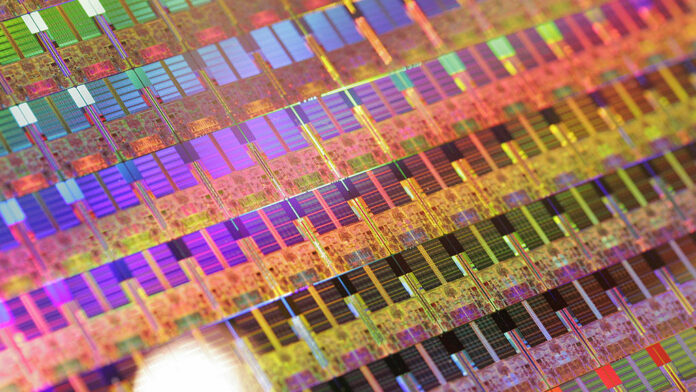
Tin prices surged 45.4% in a speculative January rally, peaking at $58,860/t on the LME three-month contract, up 45.4% from 2025’s closing level. Structurally, the bull case for tin remains intact owing to tight supply from producers in Myanmar and Indonesia, as well as Congo instability, and strong semiconductor/AI-driven demand.
But the risk of long-term damage to global growth stemming from cost increases remains a risk for tin, along with other industrial metals.
Alphamin operates the Bisie mine in eastern Congo which has been subject to fighting between Congo forces and Rwandan-backed rebels. This was at its height last year when the mine site was evaculated by all but key security staff.
However, Alphamin said it was back to digging for more tin in the Bisie tenement, including potential for further resources at Mpama South and Mpama North. Further studies including geochemical tests and an airborne survey were planned for the second quarter.